
Did You Know

$552,584

Lorem ipsum dolor sit amet, consectetur adipiscing elit. Aenean

7,126

Lorem ipsum dolor sit amet, consectetur adipiscing elit. Aenean

Testimonials

[rt-testimonial id="1489" title="Testimonial Slider"]

From Sacred Halls to Supportive Homes: How Brentwood’s Former Academy is Becoming a Beacon for Affordable Housing

The brick walls of the former Academy of St. Joseph in Brentwood, New York, have stood for more than a century, quietly witnessing students in bustling hallways, neighborhood celebrations, and the everyday rhythms of this corner of Long Island.

For generations, the Academy’s brick exterior and Spanish Colonial details anchored the neighborhood’s landscape. Inside its classrooms, students learned, built friendships, and marked milestones that became part of the community’s shared memory. The academy was more than an educational space; it hosted ceremonies, religious gatherings, and concerts that drew residents together.

Now, those walls are set for a new role. A redevelopment project by nonprofit Concern Housing will convert the former school into housing for veterans, seniors, and working Long Islanders priced out of the local market. Classrooms will become kitchens and living spaces, offering stability for those who need it most.

This project is part preservation, part problem-solving. It reuses a historic building rather than replacing it, while addressing a shortage of affordable housing. The approach keeps the school’s character intact, updates it for present needs, and strengthens the surrounding community.

A Vision Rooted in History

The Academy of St. Joseph opened in 1903, with a 1913 expansion adding Spanish Colonial Revival design elements such as ornate terracotta trim and inviting courtyards. It educated students from kindergarten through 12th grade, fostering both academic and personal growth.

When the academy closed in 2009, the loss was felt well beyond its gates. In the years that followed, the property remained in use for pre-kindergarten programs, after-school care, and English-as-a-second-language classes. By 2021, the Sisters of St. Joseph began exploring how the site could make a lasting impact once more. Sister Tesa Fitzgerald explained, “When you hear needs like that, it’s our responsibility to respond if we can. We felt strongly that we could do something concrete to make that happen.”

The Plan for Joseph’s Village

The Town of Islip has approved a $120 million redevelopment to create Joseph’s Village, a 500,000-square-foot housing community. It will feature 176 apartments: 139 studios, 33 one-bedrooms, and four two-bedrooms. The unit mix reflects the demand for smaller residences while fostering a range of tenants.

Half the apartments will be supportive housing for veterans with behavioral health conditions, seniors, and adults with disabilities. Residents will have access to services that promote stability and independence, and the design will integrate all units to avoid isolating specific groups.

Affordability with Integrity

Joseph’s Village will be open to those earning up to 60% of Long Island’s area median income; that is, $69,300 for an individual and $79,200 for a couple. Projected rents are $1,275–$1,575 for studios, $1,365–$1,665 for one-bedrooms, and $1,620–$1,995 for two-bedrooms, well below regional averages that often exceed $2,500. By tying rents to income benchmarks instead of market rates, the project offers residents a level of financial predictability.

Meeting Demand

Affordable housing remains scarce on Long Island. Concern Housing’s Estella development in Hempstead received nearly 1,700 applications for just 53 units which is a sign of the challenge Joseph’s Village will face in meeting demand. The application process will use a lottery system to ensure fairness, though the number of available units will fall far short of the need.

Preserving Architectural Heritage

The academy’s listing on the National Register of Historic Places means Joseph’s Village will retain its defining features: the brick façade with terracotta trim, marble-walled entryway, and stained glass windows. Preservation volunteer and real estate investor Rob Beyer notes that these details do more than beautify; they keep a tangible link to the past.

Adaptive Reuse with Purpose

Repurposing existing buildings cuts waste, reduces the environmental footprint, and preserves cultural landmarks. For many in Brentwood, the academy is part of their personal history. Seeing it restored and put to use again affirms that old structures can continue to serve the public while meeting modern needs.

A Faith-Based Commitment

The Sisters of St. Joseph have agreed to sell the property to Concern Housing for $6.8 million, pending state approval. The decision aligns with a growing trend in which religious organizations put underused properties to work for social benefit. In this case, the outcome will be new homes for people who might otherwise face housing insecurity.

Economic and Social Impact

The development will contribute to neighborhood stability, bringing more customers to nearby businesses and even improving health outcomes, particularly for those in supportive housing who may have faced homelessness. It will also help maintain Brentwood’s diversity by keeping housing accessible to a mix of income levels.

Looking Ahead

Construction is expected to start next year, with completion in 2028. While it cannot solve Long Island’s housing shortage on its own, Joseph’s Village demonstrates what can be achieved when historic preservation, social responsibility, and coordinated action come together.

For Brentwood, the project is not just another development; it is a continuation of the academy’s legacy in a new form, offering both shelter and a sense of belonging to those who will call it home.

To learn more about the vision behind Joseph’s Village and what it means for the Brentwood community, read the full Newsday article. It offers an in-depth look at how this transformative project is honoring the past while building for the future.

FAQ

What is Joseph’s Village in Brentwood, NY?

Joseph’s Village is a 176-unit affordable housing community opening in 2028 in Brentwood, NY. Built within the historic Academy of St. Joseph, it will offer studios, one-, and two-bedroom apartments while preserving the building’s original architectural features.

When will Joseph’s Village open?

Joseph’s Village is scheduled to open in 2028 after redevelopment of the former Academy of St. Joseph.

Who can live in Joseph’s Village?

Residents will include veterans, seniors, adults with disabilities, and income-qualified individuals and couples.

How many units will Joseph’s Village have?

The development will feature 176 apartments—studios, one-, and two-bedroom layouts.

Will the building keep its historic character?

Yes. Key features like the brick façade, marble entryway, and stained glass windows will be preserved.

What makes this project significant?

It combines affordable housing creation with historic preservation, addressing community needs while honoring local heritage.
Reimagining Retail: Building Housing at Empty Malls to Revitalize Communities

A Shift in the Retail Landscape

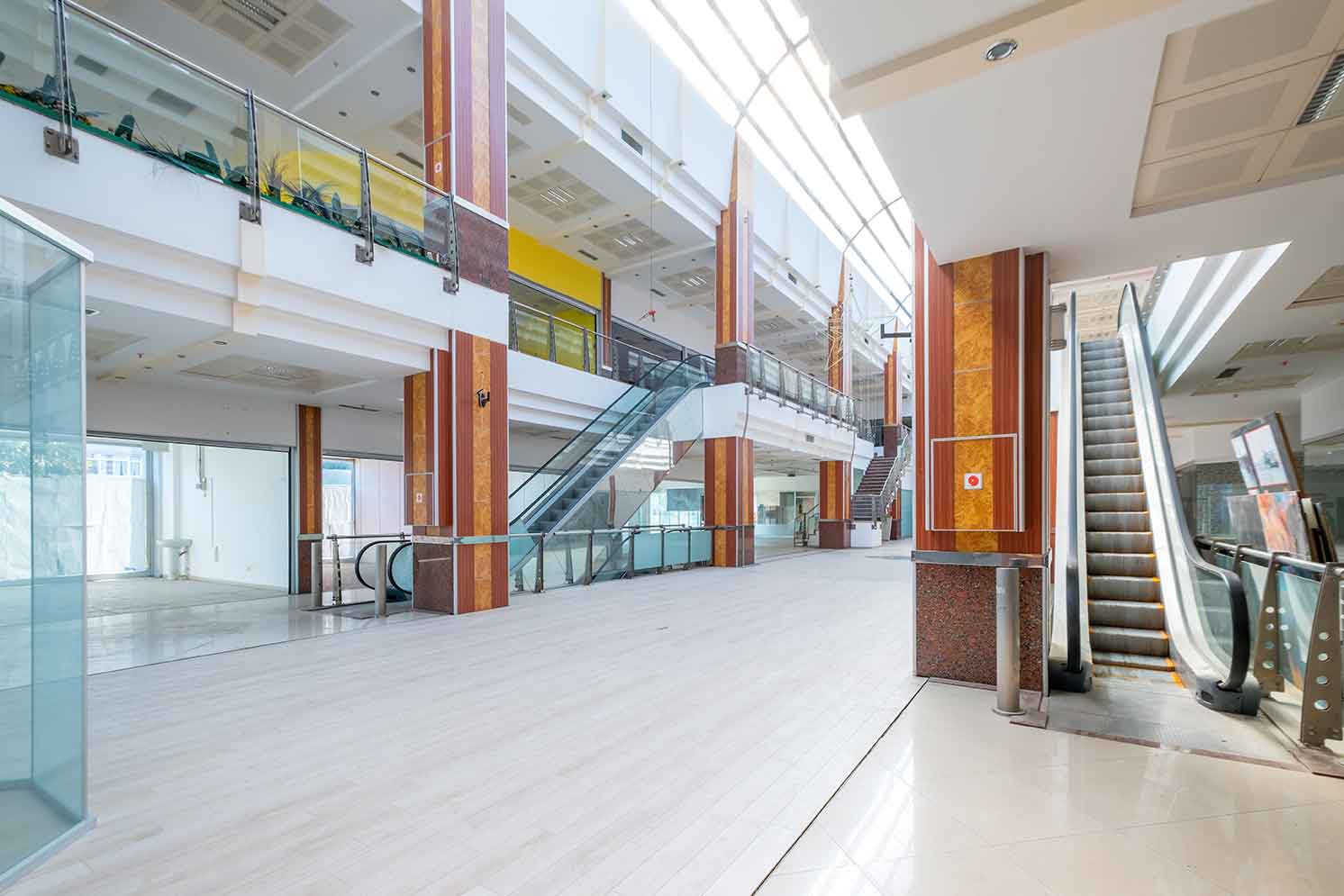
Across the country, traditional shopping malls are undergoing a significant transition. Once busy social and commercial hubs, many now stand largely empty. The rise of online shopping, evolving consumer behavior, and broader economic changes have sharply reduced the foot traffic that malls relied on. As major retailers close their doors, vast buildings and acres of parking become liabilities rather than assets, leaving landlords with underused properties and therefore plummeting property values. This, in turn, reduces the tax liability for sites and creates a tax shortage in these municipalities. If alternative use is not considered, the strain of that lost tax base might be felt most strongly by the residential owners in the municipality either in property taxes or reduction in municipal services.

A New Use for Aging Commercial Space

In response, local governments and developers are exploring a new approach: turning dormant mall properties into housing. This strategy does more than repurpose unused real estate—it addresses growing housing shortages, stimulates local economies, maintains the tax base and repositions outdated commercial centers as relevant parts of modern communities.

Rather than continuing to invest in properties that no longer attract shoppers, communities are rethinking these spaces as opportunities for integrated residential development. The shift is pragmatic. It converts stagnation into growth, while bringing new life to areas that have long struggled with decline.

Creating Economic Activity and Value

The benefits of redevelopment extend beyond filling empty space. When housing is added to mall properties, the surrounding area often experiences a rise in property values, an uptick in business activity, and a broader base for municipal tax revenues. These benefits occur without increasing tax rates for existing residents, making the move both financially and socially sustainable.

Mixed-use projects that blend residential units with retail and public space support ongoing economic participation. They provide housing close to daily needs, reduce commuting pressures, and allow businesses to remain viable with a built-in customer base.

Examples of Mall Redevelopment Locally and Nationally

Long Island: Sunrise Mall and South Shore Mall

Two Long Island malls—Sunrise and South Shore—illustrate both the challenge and potential of mall redevelopment. As foot traffic continues to drop, local leaders and developers have discussed turning these sites into mixed-use neighborhoods. These proposals aim to reduce suburban sprawl, increase walkability, and offer housing options near transit and essential services.

The Arcade, Providence, Rhode Island

The Arcade, known as the oldest indoor mall in the country, was successfully transformed into micro-apartments. The building’s original architecture was preserved, allowing for a project that is both historically sensitive and future-oriented. The apartments meet the needs of residents seeking smaller, more affordable urban housing.

Paradise Valley Mall, Phoenix, Arizona

This Arizona mall was redesigned as a vibrant neighborhood that includes housing, dining, green spaces, and retail. The master-planned development demonstrates how a commercial property can evolve into a multi-functional urban district that serves long-term needs rather than short-term commercial trends.

La Placita Cinco, Santa Ana, California

In Santa Ana, a small retail center was converted into affordable housing. The project used existing utilities and structures where possible, lowering construction costs. The outcome was a residential space for families who might otherwise struggle to find stable housing in the area.

Community-Centered Benefits

Mall-to-housing conversions offer more than shelter. They contribute to the broader goals of sustainable urban design and economic resilience.

  • Economic Activation: Residents increase demand for local services, keeping businesses open and fostering job creation.
  • Smarter Land Use: Redevelopment limits sprawl by reusing developed land instead of clearing new space for housing.
  • Connectivity: Mixed-use layouts encourage walking, reduce reliance on cars, and support public transit.
  • Neighborhood Safety: Populated areas with lighting, visibility, and activity tend to have fewer safety concerns.

These projects also provide opportunities to include green infrastructure, such as parks or bike paths, contributing to the overall quality of life.

Navigating the Hurdles

While promising, converting malls into housing involves complex considerations. Zoning laws often prohibit residential development on commercial land, requiring updates or variances. Financing can be complicated, especially when projects aim to include affordable housing. Community input and buy-in are also essential; some residents may oppose changes due to concerns about traffic or density.

To succeed, redevelopment efforts need careful planning and strong partnerships between local government, developers, and residents. Early communication, transparent design goals, and responsiveness to public feedback are key elements of productive redevelopment.

A Redefined Suburban Future

The story of the American mall is no longer just one of decline. It’s becoming a story about adaptation. The reuse of these properties invites a broader conversation about what suburban and urban spaces should be in the coming decades.

Instead of empty parking lots and unused retail corridors, towns can feature residential blocks with retail below, transit access nearby, and public gathering areas where malls once stood. These projects help shift planning from car-centric models toward places designed around daily human interaction.

Communities that embrace this transformation are preparing for economic shifts, demographic changes, and environmental challenges. By doing so, they’re building places that are not only functional but also more responsive to the needs of current and future residents.

Looking Forward

Building housing where shopping malls once thrived isn’t just a matter of saving a structure—it’s about reclaiming land for purposes that better serve communities now. With thoughtful planning and inclusive development, this approach holds real promise for neighborhoods across the country.

As more cities and towns explore these conversions, the conversation around land use and housing will continue to evolve. Success depends on leadership that is willing to think beyond legacy systems and on public engagement that reflects the diverse needs of each community.

The transformation of Long Island’s aging malls into modern, multipurpose destinations represents both a challenge and an opportunity for regional revitalization. As local leaders and developers consider the future of these sprawling spaces, strategic vision and community input will be essential. To explore the implications of these redevelopment efforts and what they could mean for the South Shore and beyond, read the full Newsday editorial here.

FAQ

Why are malls being converted into housing?

Many malls face decline due to online shopping and changing consumer habits. Redeveloping them into housing addresses local shortages and revitalizes the area and protects the tax base.

What are the benefits of mall-to-housing redevelopment?

Benefits include increased property values, local economic growth, smarter land use, walkable communities, and better use of existing infrastructure.

Are there any successful examples of these projects?

Yes. Projects like The Arcade in Rhode Island, Paradise Valley Mall in Arizona, and proposals in Long Island show how redevelopment can meet housing and community needs.

What challenges do these redevelopment projects face?

Zoning restrictions, financing for mixed-income housing, and community concerns about density or traffic are common hurdles that require careful planning and engagement.

How do these projects support sustainability?

They reduce vacant, blighted areas by reusing developed land, encourage public transit use, and often include green infrastructure like parks and bike paths.