
Did You Know

$552,584

Lorem ipsum dolor sit amet, consectetur adipiscing elit. Aenean

7,126

Lorem ipsum dolor sit amet, consectetur adipiscing elit. Aenean

Testimonials

[rt-testimonial id="1489" title="Testimonial Slider"]

From Sacred Halls to Supportive Homes: How Brentwood’s Former Academy is Becoming a Beacon for Affordable Housing

The brick walls of the former Academy of St. Joseph in Brentwood, New York, have stood for more than a century, quietly witnessing students in bustling hallways, neighborhood celebrations, and the everyday rhythms of this corner of Long Island.

For generations, the Academy’s brick exterior and Spanish Colonial details anchored the neighborhood’s landscape. Inside its classrooms, students learned, built friendships, and marked milestones that became part of the community’s shared memory. The academy was more than an educational space; it hosted ceremonies, religious gatherings, and concerts that drew residents together.

Now, those walls are set for a new role. A redevelopment project by nonprofit Concern Housing will convert the former school into housing for veterans, seniors, and working Long Islanders priced out of the local market. Classrooms will become kitchens and living spaces, offering stability for those who need it most.

This project is part preservation, part problem-solving. It reuses a historic building rather than replacing it, while addressing a shortage of affordable housing. The approach keeps the school’s character intact, updates it for present needs, and strengthens the surrounding community.

A Vision Rooted in History

The Academy of St. Joseph opened in 1903, with a 1913 expansion adding Spanish Colonial Revival design elements such as ornate terracotta trim and inviting courtyards. It educated students from kindergarten through 12th grade, fostering both academic and personal growth.

When the academy closed in 2009, the loss was felt well beyond its gates. In the years that followed, the property remained in use for pre-kindergarten programs, after-school care, and English-as-a-second-language classes. By 2021, the Sisters of St. Joseph began exploring how the site could make a lasting impact once more. Sister Tesa Fitzgerald explained, “When you hear needs like that, it’s our responsibility to respond if we can. We felt strongly that we could do something concrete to make that happen.”

The Plan for Joseph’s Village

The Town of Islip has approved a $120 million redevelopment to create Joseph’s Village, a 500,000-square-foot housing community. It will feature 176 apartments: 139 studios, 33 one-bedrooms, and four two-bedrooms. The unit mix reflects the demand for smaller residences while fostering a range of tenants.

Half the apartments will be supportive housing for veterans with behavioral health conditions, seniors, and adults with disabilities. Residents will have access to services that promote stability and independence, and the design will integrate all units to avoid isolating specific groups.

Affordability with Integrity

Joseph’s Village will be open to those earning up to 60% of Long Island’s area median income; that is, $69,300 for an individual and $79,200 for a couple. Projected rents are $1,275–$1,575 for studios, $1,365–$1,665 for one-bedrooms, and $1,620–$1,995 for two-bedrooms, well below regional averages that often exceed $2,500. By tying rents to income benchmarks instead of market rates, the project offers residents a level of financial predictability.

Meeting Demand

Affordable housing remains scarce on Long Island. Concern Housing’s Estella development in Hempstead received nearly 1,700 applications for just 53 units which is a sign of the challenge Joseph’s Village will face in meeting demand. The application process will use a lottery system to ensure fairness, though the number of available units will fall far short of the need.

Preserving Architectural Heritage

The academy’s listing on the National Register of Historic Places means Joseph’s Village will retain its defining features: the brick façade with terracotta trim, marble-walled entryway, and stained glass windows. Preservation volunteer and real estate investor Rob Beyer notes that these details do more than beautify; they keep a tangible link to the past.

Adaptive Reuse with Purpose

Repurposing existing buildings cuts waste, reduces the environmental footprint, and preserves cultural landmarks. For many in Brentwood, the academy is part of their personal history. Seeing it restored and put to use again affirms that old structures can continue to serve the public while meeting modern needs.

A Faith-Based Commitment

The Sisters of St. Joseph have agreed to sell the property to Concern Housing for $6.8 million, pending state approval. The decision aligns with a growing trend in which religious organizations put underused properties to work for social benefit. In this case, the outcome will be new homes for people who might otherwise face housing insecurity.

Economic and Social Impact

The development will contribute to neighborhood stability, bringing more customers to nearby businesses and even improving health outcomes, particularly for those in supportive housing who may have faced homelessness. It will also help maintain Brentwood’s diversity by keeping housing accessible to a mix of income levels.

Looking Ahead

Construction is expected to start next year, with completion in 2028. While it cannot solve Long Island’s housing shortage on its own, Joseph’s Village demonstrates what can be achieved when historic preservation, social responsibility, and coordinated action come together.

For Brentwood, the project is not just another development; it is a continuation of the academy’s legacy in a new form, offering both shelter and a sense of belonging to those who will call it home.

To learn more about the vision behind Joseph’s Village and what it means for the Brentwood community, read the full Newsday article. It offers an in-depth look at how this transformative project is honoring the past while building for the future.

FAQ

What is Joseph’s Village in Brentwood, NY?

Joseph’s Village is a 176-unit affordable housing community opening in 2028 in Brentwood, NY. Built within the historic Academy of St. Joseph, it will offer studios, one-, and two-bedroom apartments while preserving the building’s original architectural features.

When will Joseph’s Village open?

Joseph’s Village is scheduled to open in 2028 after redevelopment of the former Academy of St. Joseph.

Who can live in Joseph’s Village?

Residents will include veterans, seniors, adults with disabilities, and income-qualified individuals and couples.

How many units will Joseph’s Village have?

The development will feature 176 apartments—studios, one-, and two-bedroom layouts.

Will the building keep its historic character?

Yes. Key features like the brick façade, marble entryway, and stained glass windows will be preserved.

What makes this project significant?

It combines affordable housing creation with historic preservation, addressing community needs while honoring local heritage.
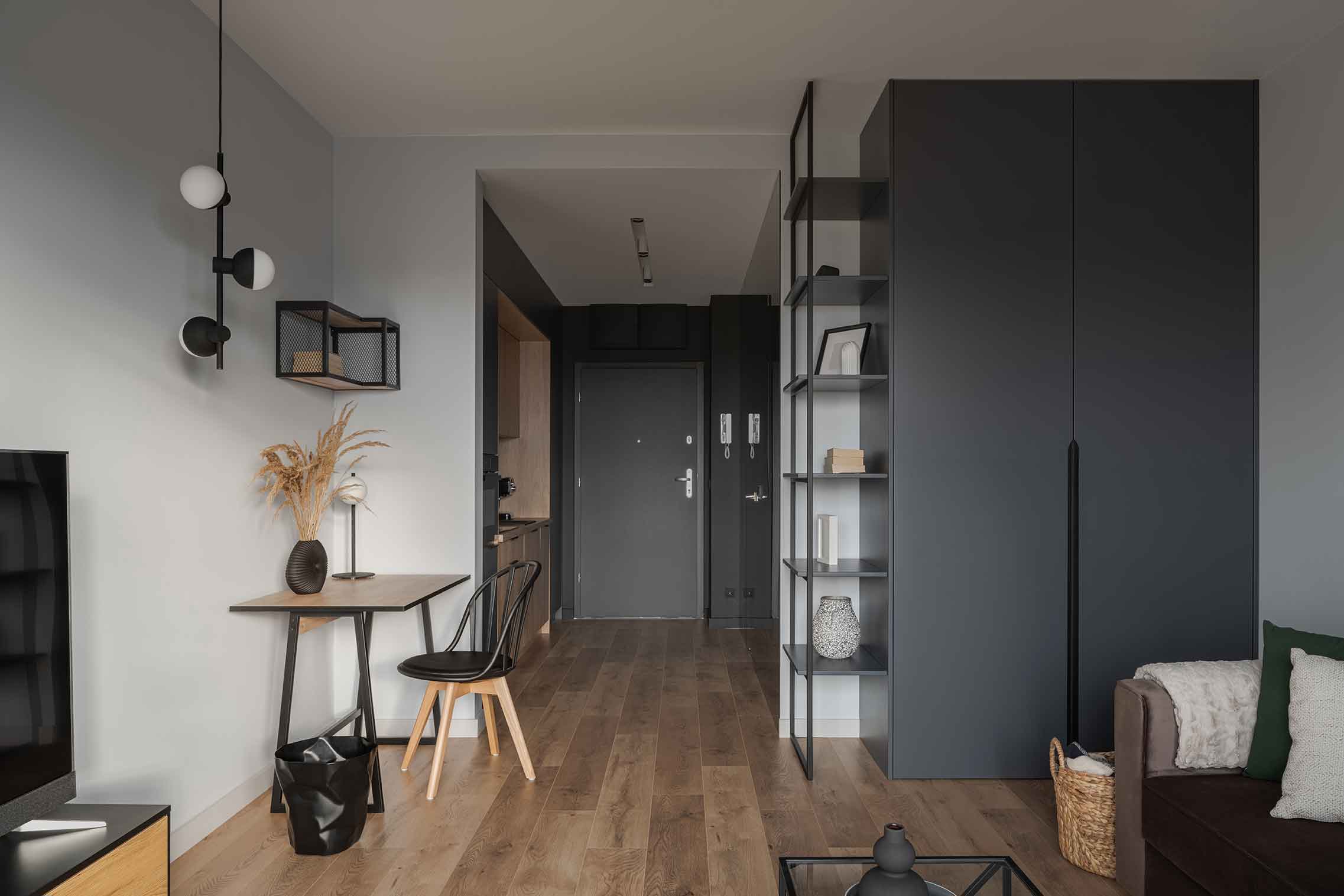
Farmingdale’s Micro-Apartment Proposal: A New Chapter in Transit-Oriented Living

In downtown Farmingdale, change may be coming to a site once central to local entertainment. A long-vacant movie theater could soon give way to a 69-unit micro-apartment complex, signaling a shift in how the village approaches urban housing and transit accessibility. With its proximity to the Long Island Railroad station, the development is designed to appeal to those who value convenience, affordability, and access to mass transit.

Developers behind the proposal are responding to a growing interest in compact, purpose-built housing that suits evolving lifestyle needs. By converting an underused property into a residential space tailored for modern commuters, the project reflects broader efforts across Long Island to rethink housing density near transportation corridors.

What are Micro-Apartments and Why Now?

Micro-apartments, typically ranging from 300 to 500 square feet, are designed to be efficient and livable for one or two people. These smaller units emphasize smart design over square footage, often featuring built-in storage, open layouts, and updated appliances.

For many renters, particularly young adults or professionals who split time between work and travel, micro-apartments offer a practical living option. The appeal lies not only in the cost savings compared to larger apartments but also in the ability to live closer to transit, retail, and dining. Often, a smaller unit size offset by common use spaces and special amenities.

In Farmingdale, the proposed development offers a solution for residents who want to stay in the area without committing to traditional single-family homes. It also opens the door to a broader demographic, such as people who may have otherwise been priced out of local housing options.

Local Context and Urban Planning Trends

Transit-oriented development has gained traction as towns seek to grow without expanding outward. By focusing on higher-density housing near train stations and bus routes, communities like Farmingdale can accommodate more people while limiting sprawl and car dependency.

This approach is not about forcing dramatic changes, but about adapting to how people live and move today. The Farmingdale proposal fits this model by placing new housing within walking distance of the LIRR station, encouraging residents to use public transit over personal vehicles.

As Long Island confronts the dual pressures of limited land and high housing demand, proposals like this one aim to strike a balance. The shift toward mixed-use and higher-density zones around transit points is becoming a central strategy in regional planning.

Community Reactions and Key Questions

Naturally, the proposal has sparked a range of responses. Residents are asking how the development will affect parking, congestion, and local character. These are valid concerns, and the conversation around the project will require thoughtful input from planners, officials, and the public.

Issues such as architectural style, pedestrian flow, and access to services all factor into the discussion. There’s also the question of affordability not just at move-in but long-term. How will rental rates be managed, and will the project include mechanisms to keep costs accessible?

Transparency and dialogue will play a major role in moving forward. Without community trust and participation, even well-intentioned projects can struggle to gain traction.

A Chance to Lead by Example

Farmingdale stands at a pivotal moment. If the micro-apartment project is approved, it could provide a roadmap for other Long Island communities facing similar development questions. It’s not just about this one site; it’s about how to welcome growth without sacrificing identity. Nationally, these projects have been well received and communities are satisfied with the outcome.

This proposal illustrates how local governments and developers might collaborate on housing that serves both economic and social goals. By embracing new ideas while respecting the needs of existing residents, Farmingdale can demonstrate how communities evolve with care and clarity.

The theater lot has sat empty for years. Turning it into a residential asset that supports local business, public transit, and diverse housing could breathe new life into a space that once brought people together in a different way.

The Broader Picture: Housing and Affordability in Suburban Towns

Across the country, suburbs are exploring new approaches to housing. The traditional model of large homes and long commutes no longer fits everyone. Rising costs, shifting work habits, and changing household sizes are creating demand for smaller, smarter options.

Micro-apartments are not a silver bullet, but they can be one part of a larger strategy. When integrated thoughtfully, they support walkable neighborhoods, reduce vehicle traffic, and create more flexible housing stock. In Farmingdale’s case, their success will likely depend on how well the project integrates with the existing downtown, supports local businesses, and provides lasting value to residents.

Looking Ahead

The proposed micro-apartment complex in Farmingdale is more than a real estate project. It’s a conversation starter about the future of housing, mobility, and community design on Long Island. It presents an opportunity to test ideas, listen to feedback, and learn what works.

As this plan moves through public review, residents and officials alike will have a chance to shape the outcome. Success will not be measured by square footage alone but by how well the development enhances quality of life, supports local needs, and reflects shared goals.

FAQ

What are micro-apartments and who are they for?

Micro-apartments are small living units, typically 300–500 square feet, designed for one or two people. They appeal to renters seeking affordability, convenience, and proximity to transit and urban amenities.

Why is Farmingdale considering a micro-apartment development?

The village aims to revitalize an underused property while addressing housing demand and encouraging public transit use. The location near the LIRR makes it ideal for compact, commuter-friendly housing.

How does this project fit into broader urban planning trends?

It supports transit-oriented development by placing higher-density housing near transportation corridors. This helps reduce car dependency, limits sprawl, and supports walkable downtown areas.

What concerns have residents raised about the proposal?

Residents are asking about impacts on parking, traffic, architectural style, and long-term affordability. These concerns highlight the need for ongoing public dialogue and thoughtful planning.

Could this development influence other Long Island communities?

Yes. If successful, Farmingdale’s micro-apartment project could serve as a model for how suburban towns balance growth, affordability, and community identity through smart housing solutions.

What amenities or design features might micro-apartments include to enhance livability?

Despite their smaller size, many micro-apartments are designed with modern features to maximize comfort and usability. Common amenities include built-in storage, multifunctional furniture, energy-efficient appliances, and access to shared communal spaces like lounges, rooftop areas, or co-working zones. These design choices help create a sense of spaciousness and foster community among residents, especially in urban or transit-connected neighborhoods.

Westbury: A Model for Smart, Pro-Housing Development in New York State

A rendering of the Westbury apartment building that is slated to go up on Linden Avenue, replacing a series of empty commercial buildings. 
Credit: Alpine Residential LLC

Westbury, a historic village in Nassau County, Long Island, is setting a powerful example of what’s possible when forward-thinking leadership, community collaboration, and smart planning come together. As one of New York State’s truly “pro-housing” communities, the Village of Westbury—under the leadership of Mayor Peter Cavallaro—has taken decisive steps to revitalize underutilized spaces and increase affordable housing options.

Working closely with residents and local organizations like Vision Long Island, Westbury developed a comprehensive downtown master plan aimed at reimagining its core infrastructure. This included transforming a long-blighted industrial area near the Long Island Railroad (LIRR) station into a vibrant, mixed-use development. This bold and inclusive approach to development is not only providing new places for people to live—it’s also boosting the local economy, increasing tax revenue, supporting local businesses, and creating a more walkable and livable community. It’s a model for how strategic, collaborative development can bring real change to communities across Long Island and beyond.

At the heart of this movement is a $97 million transit-oriented development project recently approved by the Village of Westbury. The plan includes the construction of a 187-unit apartment complex near the Westbury LIRR station—an area designated as part of the village’s Transit-Oriented Development (TOD) zone. The TOD model promotes dense, walkable neighborhoods centered around transit access, reducing dependence on cars while fostering local retail, dining, and service industries.

The new complex will include a diverse mix of micro-units, studios, one-bedroom, and two-bedroom apartments, ensuring that the housing needs of singles, couples, families, and seniors are all addressed. Note that approximately 24 of these units will be set aside as affordable housing, designated for residents earning up to 80% of the area median income. This thoughtful integration of affordable housing into a modern development aligns with Westbury’s broader mission to remain inclusive and accessible to individuals and families across a wide range of income levels.

This is not Westbury’s first foray into transit-oriented housing. In fact, the 187-unit development marks the third major TOD housing complex approved in the village since 2022. These projects are part of a long-term vision to make Long Island housing more affordable, accessible, and sustainable. The village has embraced a forward-thinking approach to zoning and land use, working to reduce red tape and facilitate projects that provide real community benefits.

Westbury’s pro-housing stance has not gone unnoticed. The village has earned official recognition from New York State as a “pro-housing community,” a designation that reflects its efforts to address housing shortages and support inclusive growth. As Governor Kathy Hochul and state agencies look for models to replicate throughout New York, Westbury is often cited as a leader in smart growth and sustainable suburban development.

Unlike other towns that have resisted new housing through restrictive zoning or community pushback, Westbury has demonstrated that housing progress can be achieved through communication, vision, and public-private collaboration. The village’s success is due in large part to its willingness to work with stakeholders—from developers to civic organizations—and engage with the public to understand both concerns and opportunities.

This approach has also aligned with state efforts to encourage housing development not through mandates, but by providing incentives and support for municipalities that plan responsibly. Westbury’s story proves that suburban communities don’t have to choose between preserving character and embracing change. With the right planning, they can achieve both.

The revitalization around the train station area—once marked by abandoned warehouses and empty lots—is a clear demonstration of this transformation. By reinvesting in these underused spaces and implementing a vision rooted in smart growth, Westbury is enhancing its downtown corridor, making it more attractive to residents and businesses alike.

What’s more, the transit-accessible location of these new apartments means more residents will have direct access to jobs and opportunities throughout the region without having to rely on personal vehicles. This not only improves quality of life for individuals but also aligns with broader environmental goals to reduce emissions and support more sustainable patterns of living.

For other Long Island towns struggling to balance growth with livability, Westbury serves as a case study in how to do it right. The village has shown that affordable housing doesn’t have to be an afterthought or a compromise—it can be part of a thriving, modern community plan.

As housing challenges continue across New York State, from urban centers to suburban villages, leaders and planners would do well to look at Westbury. It’s a community proving that with bold leadership, public engagement, and smart development strategies, real progress is possible.

Learn more about Westbury’s revitalization efforts in the full Newsday article here.